July Newsletter

Hi friends,

July is the quiet middle of summer: far enough from the school year that the pressure has lifted, close enough to fall that a little intentional work now pays off in a big way come August. This newsletter is organized by your rising grade level, so scan down to your section and dig in.

I have also added two new features this month: a fun fact about a tuition program many families in the West do not know about, and a college highlight that puts that program into action. 

Wishing you a Happy 4th of July!


Rising 12th Graders

Seniors

You are in the home stretch of the heaviest lifting. Everything below I recommend you complete by August 1, so treat July as crunch time and let August be for refining and supplemental essay writing, not starting from scratch.

Due by August 1

  • Complete your school's brag sheet form so your letter of recommendation writers have what they need.
  • Finish your UC Personal Insight Questions (PIQs).
  • Finish your Common App essay.
  • In College Planner Pro, note Major 1 and Major 2 in the "Application Outline" section.

Also this month

  • If needed, book extra summer meetings with Rya. Getting ahead now means real breathing room once senior year starts.
  • Determine your early application plan. Will you be utilizing ED1, ED2, REA?
  • Run the net price calculator for any school you are seriously considering, but uncertain you can afford. Ten minutes now can save heartache later.

Rising 11th Graders

Juniors

Junior year is the most important academic year on your transcript, and the work you put in this summer sets the tone for it.

  • Engage in PSAT prep for the October exam.
  • Start thinking about which two 11th grade core subject teachers you might ask for a letter of recommendation in March 2027.
  • Start honing in on your preferred academic focus or major in college.
  • Consider a career assessment. Reach out to Rya for ideas on where to start.
  • Consider visiting three very different schools to get a feel for what you like and do not like. Make those tours official by registering rather than just wandering campus.
  • Start thinking about a regular day and time you would prefer for meetings with Rya beginning January 2027.
  • Plan on a November or December check-in to discuss how fall semester is going and to review your PSAT results.
  • Request a meeting in August if you would like a check-in before school starts.

Also worth doing

  • Draft a comprehensive version of your activities list, with approximate hours and any leadership or recognition. We will refine it together.
  • Stay committed to your current activities and pursue new ones with intention. Depth and longevity matter more to admissions readers than a long list of short-term involvements.
  • If you anticipate testing in spring of 11th grade, light SAT or ACT familiarity over the summer can be useful alongside PSAT prep.

Rising 10th Graders

Sophomores

This summer is less about tasks and more about paying attention to what genuinely interests you. That awareness becomes the foundation for everything later.

  • Continue collecting information on achievements and activities in a single document. We'll refine in junior year.
  • Start looking for opportunities to take on extra responsibility or find ways to make a real impact in your current activities.
  • Focus on the things that genuinely bring you joy.
  • Aim for consistency of involvement across all four years of high school rather than constantly switching activities.
  • Begin thinking about majors and careers from a low pressure mindset. Reach out to Rya for ideas here, but there is no need to have this figured out yet.

A note on testing

There is a chance the UCs will reinstate the SAT or ACT for the class of 2029. There is nothing for you to do right now, but it is worth getting into the mindset that you may want to engage in PSAT prep after 10th grade ends, with official test planning kicking into gear in fall or winter of 11th grade.

Also worth doing

  • Take a strengths or interest inventory and notice which subjects or activities genuinely hold your attention.
  • Read broadly this summer: nonfiction, journalism, or a book in a field you have never explored. This quietly builds your voice for essays later.
  • Look into a summer program, volunteer role, or job in an area of real curiosity, not resume-building for its own sake.
  • If you find yourself near a campus of interest, stop in for a tour. No plan needed yet, just impressions.

Rising 9th Graders

Freshmen

Welcome to high school! 

  • If you are doing community service this summer, make sure you use your new school's community service form to document it.
  • Enter high school with a mindset of curiosity, engagement, and exploration.
  • Get involved and pay attention to what brings you the most joy.
  • Start collecting information on achievements and activities now. It is easy to forget these details as time goes by, so a simple running list will save you a lot of scrambling later.
  • Aim for four years of the five core academic subjects: English, math, science, social science, and a language other than English.

Also worth doing

  • Try out a few clubs, sports, or activities in the first weeks of school. While it may feel awkward at first, it's a great way to expand your network and add joy to the learning experience.
  • There is no need for a college list, test prep, or a defined path yet. Just open-mindedness and curiosity.

Fun Fact

The Tuition Hack Hiding in Plain Sight: WUE

If your family lives in California, Nevada, Oregon, Washington, Arizona, Colorado, Idaho, Montana, New Mexico, North Dakota, South Dakota, Utah, Wyoming, Hawaii, Alaska, or one of a few U.S. territories, you may already qualify for one of the best kept secrets in college affordability: the Western Undergraduate Exchange, or WUE.

WUE is a tuition savings program run by the Western Interstate Commission for Higher Education (WICHE) that allows residents of participating Western states to enroll at more than 170 public colleges and universities outside their home state while paying no more than 150 percent of that school's in-state tuition rate, rather than the full out-of-state sticker price. For students dreaming of the out-of-state experience without the out-of-state bill, this can mean tens of thousands of dollars in savings over four years.

A few things worth knowing before you build it into your list:

  • WUE only applies to public colleges and universities. Private schools do not participate.
  • Every participating school sets its own WUE eligibility criteria, available majors, and number of seats, so the deal is not identical everywhere.
  • Some flagship campuses have scaled back WUE in recent years in favor of their own merit scholarships for nonresidents, so it is worth checking each school directly rather than assuming the discount applies.
  • WUE is not stackable with every other scholarship a school offers. Schools typically award whichever option is the better deal for the student.

If you are living in a qualifying state, hoping to get out of state without an out-of-state price tag, WUE is absolutely worth exploring. 


College Highlight

Montana State University, Bozeman
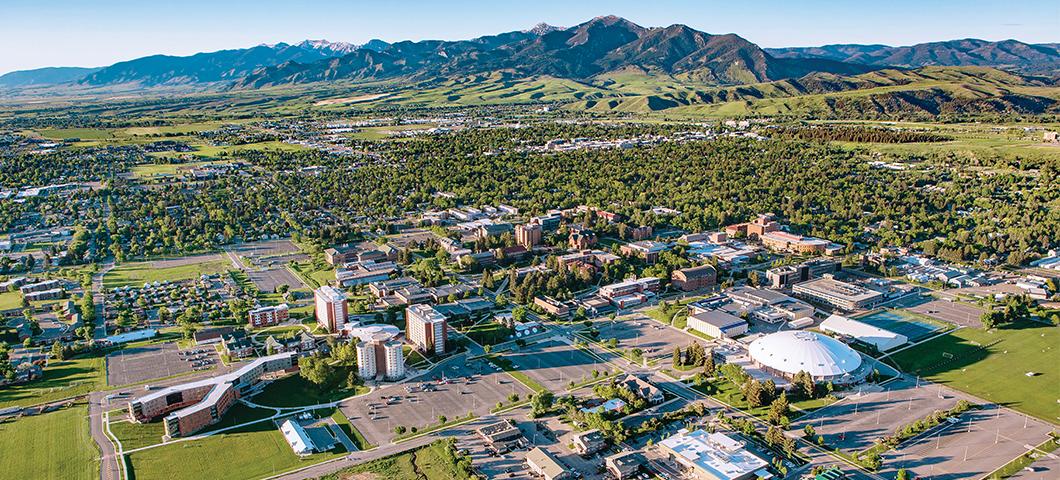
Aerial view of Montana State University's Bozeman campus in summer, with mountains in the background

Montana State University is a great example of WUE in action, and a school worth a look for students who want big outdoor energy alongside impactful academics. MSU is a public land-grant research university classified among the nation's highest tier for research activity, set on a 1,170-acre campus in Bozeman, a college town of around 60,000 that is regularly named one of the best small college towns in the country.

For California residents, MSU participates in WUE, but it is competitive! 

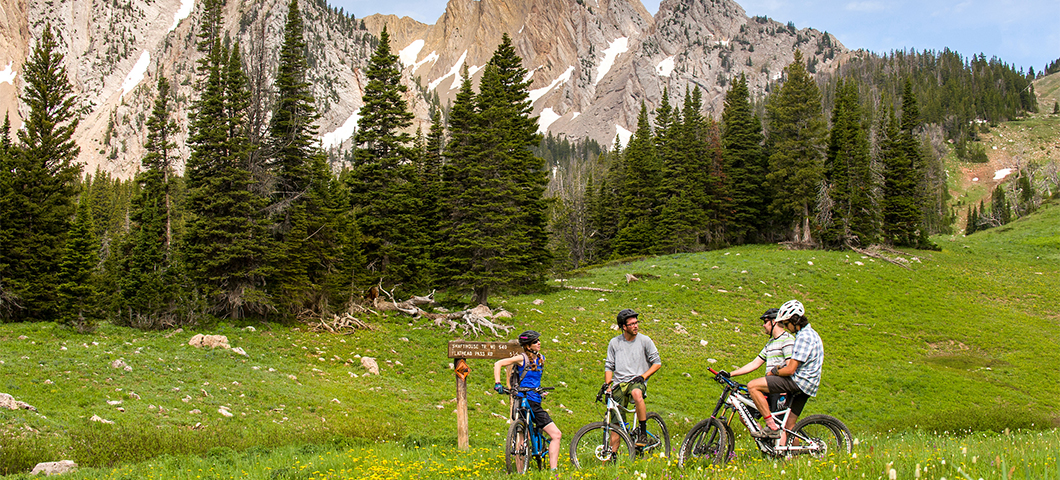
Mountain bikers resting near a trail sign outside Bozeman, Montana

🏔️ Unique Academic Programs

MSU leverages its unique "outdoor laboratory" in the Rocky Mountains and the Greater Yellowstone Ecosystem to offer programs you won't easily find elsewhere.

Snow Science: One of the few programs in the world specializing in the study of snowpack, avalanches, and cold-region hydrology.

Paleontology: Tapping into Montana’s "Egg Mountain" and rich fossil beds, MSU is home to world-renowned paleontologists (including Jack Horner’s legacy) and offers a premier Paleontology option within Earth Sciences.

Film & Photography: MSU is famous for its specialized MFA in Science and Natural History Filmmaking, often placing graduates at National Geographic, the BBC, and the Discovery Channel.

Sustainable Food & Bioenergy Systems: An interdisciplinary program that uses the campus’s own Towne’s Harvest Garden as a living classroom for agroecology and food security.

Financial Engineering: A rare undergraduate offering that blends high-level mathematics, engineering principles, and financial theory.

🎓 Approach to Education:

Many R1 institutions reserve research opportunities for graduate students. MSU’s Undergraduate Scholars Program (USP) funds and facilitates research for freshmen and sophomores.

The MSU Core: The curriculum isn't just a checklist; it's organized into "Perspectives" (University Seminar, Diversity, Inquiry, etc.) designed to turn students into "Local and Global Citizens."

First-Year Seminar (US 101): A signature course focused on "Place and Identity," helping students transition to college through small, discussion-based cohorts.


🔬 Specialized Institutes & Research Centers

Biofilm Engineering (CBE) - The world’s first and largest center for the study of biofilms (microbial communities).

Thermal Biology Institute (TBI) - Studies the "extremophiles" living in Yellowstone’s hot springs to understand the origins of life.

Subzero Research Laboratory - A state-of-the-art facility featuring cold rooms and "icing" wind tunnels to study snow, ice, and cold-climate engineering.

Museum of the Rockies - A Smithsonian affiliate that serves as a primary research site for MSU’s paleontology and history programs.

Western Transportation Institute - The nation’s leading center for rural transportation research.


🌟 Other Notable Features

The Honors College: Offers specialized interdisciplinary seminars and priority research opportunities.

Mark and Robyn Jones College of Nursing: New building set to open soon!

Jake Jabs College of Business & Entrepreneurship: Notable for its focus on venture creation and the annual "Big Idea" competition.

If you’re looking for a place where work-life balance means finishing a lab at 2:15pm and being on a chairlift by 3:00pm, Bozeman is your spot. It’s a town that feels like a high-end mountain resort blended with a gritty, authentic Western soul. Known to locals as “The Bozone,” this area is arguably the most active college town in the Pacific Northwest/Rocky Mountain region.

🏔️ Your Backyard: The Great Outdoors

In Bozeman, nature isn’t just something you look at; it’s where you live.

The “M” Trail: Directly overlooking campus, this is the go-to sunset spot and a rite of passage for every Bobcat.

Bridger Bowl: Only 20 minutes away, this ski area is legendary for its “Cold Smoke” powder. It's locally owned and way more affordable than the big tourist resorts.

Hyalite Canyon: About 15 miles south, it’s a massive playground for ice climbing in the winter and paddleboarding or cliff jumping at the reservoir in the summer.

Yellowstone: You’re only 90 minutes from the North Entrance. It’s basically the world’s coolest road trip destination.


🍕 The Downtown Scene: Main Street

Bozeman’s downtown is the heart of the social scene. It’s lined with historic brick buildings that house everything from tech startups to old-school Western wear shops.

Music on the Main: Every Thursday in the summer, they shut down the streets for free live concerts and food trucks.

The Eateries: Grab a massive burger at Montana Ale Works, legendary pizza at Blackbird, or a huckleberry ice cream cone at Sweet Peaks.

The Arts: Between the Museum of the Rockies (home to massive T-Rex skeletons) and the historic Ellen Theatre, there’s always something happening that isn’t just “college stuff.”


🏠 Living the Off-Campus Life

Most students move off-campus after their freshman year. The vibe varies depending on how close you want to be to the action.

South Side - High energy; right next to campus and the stadium. Large student complexes like Stadium View or the Arrow.

Downtown/North Side - Historic, walkable, and trendy; close to the bars and coffee shops. Shared historic houses with character (and sometimes squeaky floors).

West End - Modern and quieter; closer to the mall and major grocery stores. New apartment builds and townhomes with more parking.

Pro Tip: Bozeman is popular, so the housing market is competitive and pricey. Most students start looking for their sophomore year rentals as early as November or December!

Getting around Bozeman and Montana State University is a blend of "mountain town" ruggedness and modern convenience. Whether you have a car or not, the system is designed to get you to class or the slopes with minimal hassle.


✈️Getting Here: The Airport

The Bozeman Yellowstone International Airport (BZN) is about 15 minutes from campus in the neighboring town of Belgrade.

Direct Flights: It is surprisingly well-connected for its size, with direct flights from major hubs like Seattle, Denver, Chicago, and LA.

Transit to Campus: Most students use Uber or Lyft ($20–$40 depending on time of day). If you’re on a budget, the Streamline Bus offers a route from the airport to the MSU campus (with a transfer at Walmart), though it takes significantly longer.


🚌On-Campus & Local Transit

Bozeman is one of the few places where public transit is actually "cool" because it’s free and geared toward students.

CatTracks (On-Campus): Launched recently to help with campus growth, these free shuttles run throughout the day between perimeter parking lots, the campus core, and student apartments.

Streamline Bus (Bozeman Area): This is a zero-fare (free) bus system for everyone. The "L-Line" (Gold and Blue) connects the campus directly to downtown and the major shopping districts on the west side of town.

Biking: Bozeman is incredibly bike-friendly. During the fall and spring, you'll see thousands of bikes on campus. In the winter, many students switch to "fat tire" bikes to handle the snow.


⛷️ Getting to the Mountains

You don't need a car to be a skier at MSU. The university and local resorts make sure students can get to the snow.

The Bridger Bowl Shuttle: This is a free weekend and holiday service. It picks up right in front of the Strand Union Building (SUB) on campus and takes you directly to the base of Bridger Bowl. It runs multiple times a day, so you can catch a "half-day" session and be back for late afternoon classes.

Skyline Bus (To Big Sky Resort): If you want to head to Big Sky (about an hour away), the Skyline Bus offers the "Link" route. It picks up at Roskie Hall on campus. Unlike the Bridger shuttle, this one usually costs a small fee (around $5 each way), but it’s the safest way to navigate the winding Gallatin Canyon road in winter.


🚗 Car & Parking Reality

While many students bring cars, parking is the "final boss" of the MSU experience.

Freshmen living in dorms are allowed to have cars, but you will likely be parked in the remote lots near the stadium, which requires a bit of a walk (or a shuttle ride) to get to your dorm.

If you’re coming to MSU, you’re joining a culture that values adventure over ego. The social scene isn't about who has the flashiest car; it’s about who has the best stories from the trailhead or the front row of the stadium.

The On-Campus "Hubs"

The Residential Quads: Think of these as your home base. On sunny days (which Bozeman has 300+ of), the lawns between the dorms are packed with people playing Spikeball, slacklining, or just music-sharing. It’s incredibly easy to make friends because everyone is "new" together.

The SUB (Strand Union Building): This is the campus living room. Whether you’re grabbing a coffee at Union Market or heading to the Procrastinator Theater for a $2 movie, this is where you run into everyone you know.

Catapalooza: Imagine a giant festival right on the campus green during the first week. It’s the ultimate "icebreaker" with free food, music, and every club imaginable, from the Backcountry Squatters (outdoor enthusiasts) to esports teams.


The Legend of Bobcat Spirit

The "Gold Rush": This is the first home football game, and the energy is electric. The entire student section wears gold, and the roar of the crowd against the backdrop of the Bridger Mountains is something you’ll never forget.

Tailgates: Even if you aren't a huge sports fan, the tailgates are where the community gathers. It’s a mix of students, alumni, and locals all celebrating together.


The "Off-Campus" Backyard

Bozeman is a town that feels like a resort but acts like a community.

Downtown (Main Street): It has an "old west meets modern cool" vibe. Students hang out at local burger joints or grab giant slices of pizza after a long day of classes.

The Great Outdoors: This is the real social scene. On weekends, the "social" thing to do isn't just sitting around, it's carpooling to Bridger Bowl for a ski day or heading to Hyalite Canyon for a bonfire and stargazing.


The "Friendly" Factor

Because MSU attracts so many out-of-state students (from places like Washington, California, and Colorado), people are exceptionally open to meeting new friends. There’s a "we’re all in this wild Montana adventure together" mentality that makes the social scene feel very inclusive.

🏛️ Notable Buildings & Landmarks

Montana Hall: The "heart" of campus. This iconic red-brick building with its white cupola has been around since 1896. It’s where you’ll find the central administration offices and that classic "college" aesthetic.

Norm Asbjornson Hall: A masterpiece of modern engineering. This building is LEED Platinum certified. It features massive glass walls, collaborative "maker spaces," and high-tech labs for engineering and nursing students.

The Strand Union Building (SUB): The living room of campus. It houses the bookstore, a movie theater (The Procrastinator), a bowling alley, and several food options.

Romney Hall: Recently renovated into a massive student-centered hub. It’s no longer just a gym; it now holds high-tech classrooms, the Writing Center, and various student success services.


🍽️ Dining Options: "Eat at State"

MSU has moved toward an "all-you-care-to-eat" model with some of the best campus food in the Northwest.

Miller Dining Commons: Located on the south side near the "Hedges" dorms. It’s famous for its international station, custom omelets, and a massive salad bar.

Rendezvous Dining Pavilion: The newer, centrally located dining hall. It features eight different food stations, including a wood-fired pizza oven, a "crepe" station, and a grill.

Retail Spots: If you're on the move, you can use "Dining Dollars" or "CatCash" at the Union Market (in the SUB), Sparty's convenience stores, or the Avogadro’s Number sandwich shop.


🛠️ Key Student Resources

SmartyCats Tutoring: Located in the Office of Student Success, this offers peer-to-peer tutoring for almost every subject for just a few dollars an hour.

The Hosaeus Fitness Center: A massive complex with climbing walls, weight rooms, swimming pools, and basketball courts. It’s also where you can rent outdoor gear (skis, tents, rafts) through ASMSU Outdoor Recreation.

University Health Partners: A full-service medical clinic and pharmacy right on campus, including CAPS (Counseling and Psychological Services).

Allen Yarnell Center for Student Success: This is your "adulting" hub. They offer career coaching, financial literacy training, and help with finding internships.


🌲 The Campus "Vibe"

The Duck Pond: A peaceful spot near the center of campus where students hang out between classes (and yes, there are real ducks).

The Centennial Mall: A wide, pedestrian-only walkway that runs through the center of campus, often filled with clubs tabling, students slacklining, or people just enjoying the sun.

Sustainability: You'll see solar panels and "living walls" everywhere. MSU is deeply committed to being carbon-neutral, which is reflected in how newer buildings are designed.


Top 5 Majors: Biology, Mechanical Engineering, Nursing, Business, Psychology


  • STEM and Research Prowess: MSU is a Carnegie R1 research institution, a rare feat for a school of its size. Undergraduates have unparalleled access to research as early as their freshman year, particularly in Engineering, Microbiology, and Earth Sciences.

    "Mountain Campus" Lifestyle: For students who love skiing, hiking, and fly-fishing, MSU is world-class. It is located minutes from Bridger Bowl and about an hour from Big Sky and Yellowstone National Park.

    Strong Professional Programs: The university boasts highly regarded programs in Nursing, Architecture, and Agriculture. The College of Agriculture is a cornerstone, ranking among the best in the nation for Agricultural Sciences.

    Supportive Community Culture: Despite its size (approx. 16,000+ students), many describe the "Bobcat" community as tight-knit and welcoming. There is a palpable sense of school pride, often summarized by the "Once a Cat, always a Cat" mantra.

    Merit Aid for Out-of-State Students: MSU is known for being relatively generous with Western Undergraduate Exchange (WUE) scholarships and other merit-based awards for high-achieving non-residents.


    Bozeman’s Cost of Living: One of the most significant hurdles is the "Bozeman Tax." Housing off-campus is notoriously expensive and scarce due to the town's rapid growth and popularity as a destination.

    Academic Advising Bottlenecks: Some students report challenges with consistent academic advising, particularly in high-demand majors like Nursing or Engineering, where communication can sometimes feel decentralized.

    Harsh Winter Climate: The winters are long and extremely cold. This can be a major adjustment for students from warmer climates.

    Infrastructure Pressures: Rapid enrollment growth has led to "growing pains," including parking shortages on campus and dining halls that can become overcrowded during peak hours.

  • Limited Niche for Non-Outdoorsy Students: While there is a Greek life and arts scene, students who do not enjoy outdoor recreation may find it harder to find their social niche, as much of the campus culture revolves around the mountains.